Why Vietnam Is Asia's Great Eating Country
The Best Restaurants Have No Walls
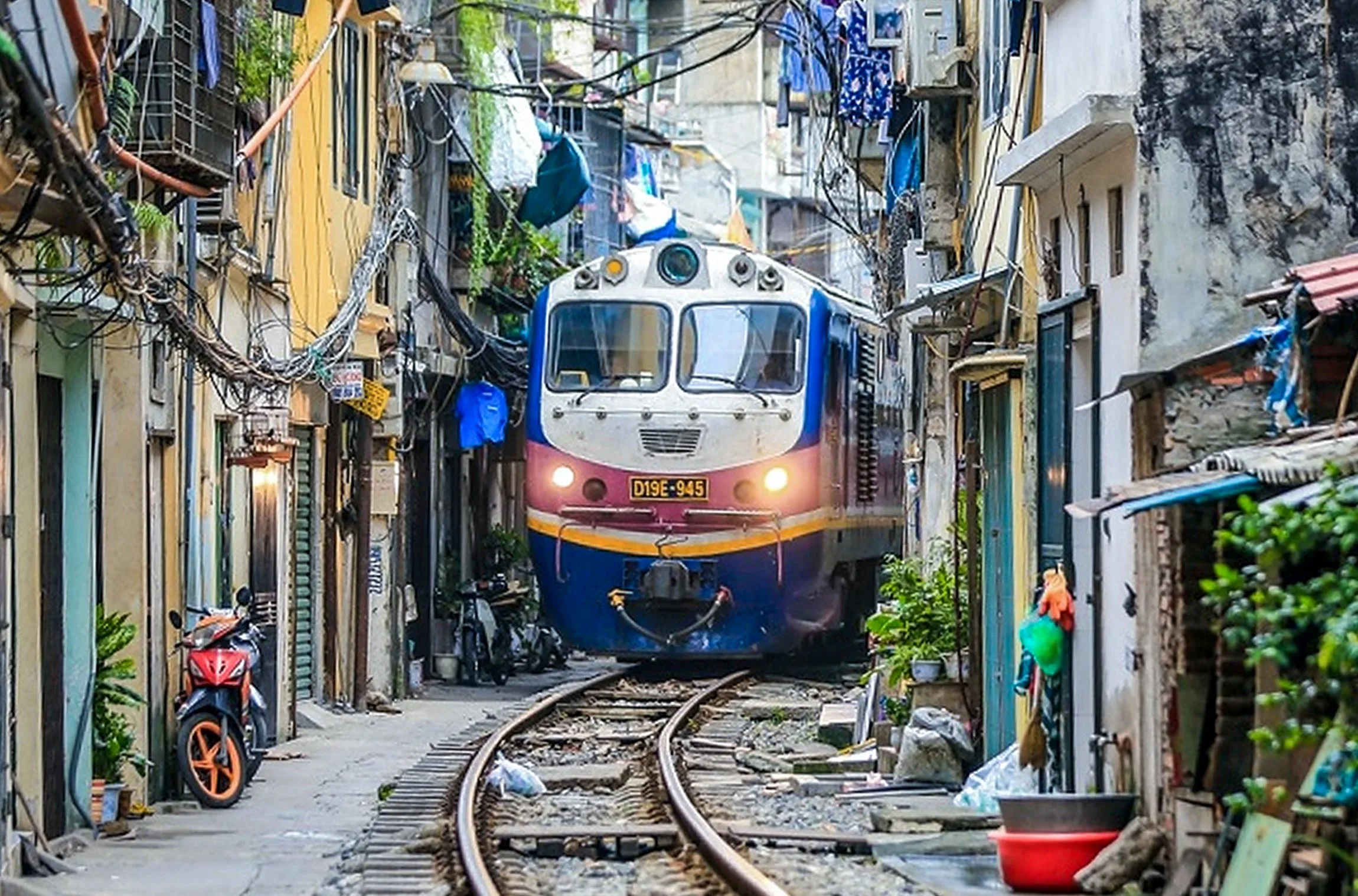
Vietnamese food runs on a conspiracy every traveler eventually joins: the best cooking in the country happens at the smallest addresses. A pho stall that has made one dish since before the war. A banh mi cart assembling the world's greatest sandwich in forty seconds. A charcoal grill in a Hanoi alley turning out bun cha the way a violin section turns out Brahms. The national rule — one stall, one dish, decades of practice — means the sidewalk consistently out-cooks the dining room, and dinner is eaten at knee height on a plastic stool.
The geography splits the eating three ways: Hanoi keeps the austere northern canon in its Old Quarter alleys; Saigon runs sweeter, louder and later, with whole districts eating at midnight; and the center — Hoi An with dishes that exist nowhere else, Hue with the food of emperors — holds the country's most concentrated food towns. Beyond the cities, the Mekong Delta trades breakfast boat-to-boat at dawn, and the highlands around Dalat grow the coffee that made Vietnam the world's second coffee nation.
Below, seven categories of Vietnamese culinary experience — grouped into tours, hands-on classes, and experiences — each comparing the best cities to book it. We don't sell anything on this page. We point you to the right category and city, and let you book on the page that fits your trip.
Choose Your Vietnamese Food Experience
Seven Ways to Eat Vietnam
Grouped into guided tours, hands-on classes, and signature experiences. Each category page compares the best cities to book it in.
Tours
The Plastic-Stool Canon
Pho at dawn, banh mi in forty seconds, bun cha over charcoal — stall to stall with a guide who knows which plastic stool is the right one. The definitive Vietnamese food experience.
Dinner at 40 km/h
Ride pillion behind a local driver on a vintage Vespa, eating neighborhood by neighborhood after dark — the street food no walking tour can reach, with the traffic as the floor show.
Markets, Alleys & Family Kitchens
The broadest way into a city's eating — guided tasting walks through markets, street kitchens and family recipes, from Hanoi's Old Quarter to Hue's imperial tables.
Inside the Morning Cho
Every neighborhood wakes to its wet market — herbs by the armful, fish still flapping, breakfast between the stalls. Guided walks decode it all, tastings included.
Classes
Experiences
Egg Coffee & the Phin Ritual
The world's second coffee nation drinks like nowhere else — egg coffee whipped in Hanoi's old cafés, the slow phin drip, and Dalat's highland farms at the source.
The Mekong at Dawn
Cai Rang's wholesale boats hang their produce from bamboo poles at first light, and breakfast is ladled hull to hull — one of Asia's great food-travel mornings.
Where to Book
Vietnam's Six Great Food Destinations
Each links to its strongest culinary experience — start here if you already know your route. Going somewhere else? Browse all eleven cities →
The Canon's Capital
Pho, bun cha and banh cuon perfected in the Old Quarter's alleys — the austere northern originals, eaten where they were invented. Start with the street food.
Hanoi Street Food Tour →The City That Eats at Midnight
Bigger, sweeter, later — and best experienced from the back of a Vespa after dark, crossing districts between courses.
Saigon Vespa Food Tour →The Cooking-School Town
Lantern-lit, river-fed, and home to dishes that legally exist nowhere else — plus Vietnam's deepest market-to-table cooking-class tradition.
Hoi An Cooking Class →The Rice Bowl Afloat
Vietnam's orchard, rice bowl and fish tank at once — where the market itself floats and breakfast arrives across the water at dawn.
Mekong Delta Tours →The Emperor's Kitchen
The old imperial capital plates Vietnam's most refined cuisine — royal dishes in miniature, the country's deepest vegetarian tradition, and bun bo Hue.
Hue Food Tour →The Highland Coffee Capital
Pine hills, strawberry farms and the plantations behind the world's second-largest coffee producer — tasted at the source.
Dalat Coffee Tour →Street Food vs Vespa vs Cooking Class
Which Is Right for You?
Book a street food tour if you want the canon on foot — the pho, banh mi and bun cha institutions, eaten stall by stall with a guide ordering. It's the better first evening in any Vietnamese city. The vespa food tour is the same appetite with a bigger radius and more adrenaline: a driver, a vintage scooter, and neighborhoods no walking route connects — Saigon after dark is the format at its best. A broader food tour adds markets and family kitchens; a market walk stays inside the morning cho where the cooking starts.
Book a cooking class if you want to take the food home — the market basket, the herb-plate grammar, spring rolls that hold. Hoi An's market-to-table schools are the country's famous version, and Vietnam's classes are the best value in Asia.
The two signature experiences round it out: a coffee experience (whip your own egg coffee in Hanoi, or walk Dalat's farms) and the Mekong's floating markets — dawn boats, breakfast over the gunwale, and the honest advice that an overnight in Can Tho beats a day trip if the market is the point.
How to Choose
Three Questions to Find Your Experience
Eat, ride, or cook?
On foot → a street food or food tour. On two wheels → the vespa food tour. Hands-on → a cooking class. Caffeinated or afloat → coffee and the floating markets.
North, center or south?
Most routes run Hanoi ↔ Saigon. Book the street food in Hanoi, the vespa night in Saigon, the cooking class in Hoi An between them — and add the Mekong from Saigon.
When are you going?
Vietnam runs three climates: the north eats best October–April, the center February–August, the south December–April. Around Tet (late Jan–Feb) book experiences before or after the holiday — the great stalls close for the family table.
Vietnamese Food Experiences — FAQ
What travelers ask before booking a food experience in Vietnam.
Hanoi and Saigon split the crown. Hanoi is the canon's capital — pho, bun cha and banh cuon perfected in the Old Quarter's alleys, austere and traditional. Saigon (Ho Chi Minh City) is bigger, sweeter, later and more experimental, with whole districts eating at midnight. Hoi An is the best small food town (with dishes that exist nowhere else), and Hue plates the refined cuisine of the old imperial court. Our city pages compare the top-rated experience in each.
Broadly yes — and often safer than mediocre restaurants: the great stalls do one dish at high turnover, cooked to order in front of you, so nothing sits around. Sensible rules: pick busy stalls, eat what's cooked hot, and be cautious with ice off the tourist track. A guided street food tour removes the guesswork entirely — guides feed guests at the same stalls nightly.
Vietnam's signature evening format: you ride pillion (passenger) behind a local driver on a vintage Vespa, crossing the city between courses to eat where walking tours can't reach — with a separate guide narrating the food. No license needed, helmets provided, and most run 4–5 hours in the evening. Saigon invented the format; Hanoi's version covers the Old Quarter and West Lake by night.
Vietnam is the best food-tour value in Asia. Guided street food walks typically run $25–$60 per person with a full meal's worth of tastings; cooking classes $25–$70 including the market visit and lunch; vespa food tours $65–$120 (driver, guide, all food and drinks); Mekong floating-market trips $30–$90 depending on day trip vs overnight. Each page lists current prices.
Ca phe trung — Hanoi's famous cup: egg yolk whipped with condensed milk into a warm custard-like foam over strong robusta coffee, invented in 1946 when milk was scarce. The classic addresses are in Hanoi's Old Quarter, and egg-coffee workshops teach you to make it yourself — the most popular coffee experience we compare.
If the floating markets are the point, overnight in Can Tho: Cai Rang market peaks between 6 and 8 am, which a same-day trip from Saigon can't reach in time. Day trips from Saigon still deliver the delta — canals, orchards, sampan rides and lunch — just not the market at full trade. We compare both honestly on the floating market pages.
Yes, with a caveat: fish sauce is the backbone of the cuisine, so true vegetarians should flag it at booking (the phrase 'an chay' — vegetarian — is widely understood, thanks to Buddhist eating traditions). Most tours and virtually all cooking classes adapt menus with notice; Hue, with its imperial-Buddhist heritage, has Vietnam's deepest vegetarian tradition.
Food is year-round, but the country runs three climates at once: the north is best October–April (Hanoi is cool and dry), the center February–August, and the south (Saigon, Mekong) December–April for the dry season. Tet — Lunar New Year, late January or February — is the great festive table but closes many stalls for several days; plan food experiences before or after it.
No — the experiences we compare run in English. The guide handles the ordering, the translation and the stall conversations; cooking classes teach in English with recipe cards to take home.
A few days is usually enough. The exceptions: evening vespa tours (small fleets, fixed capacity) and Hoi An's most famous cooking classes book out several days to a week ahead in high season. Most experiences have free cancellation, so booking early is low-risk.
Still have questions? Email us at info@vietnam-food-tour.com